

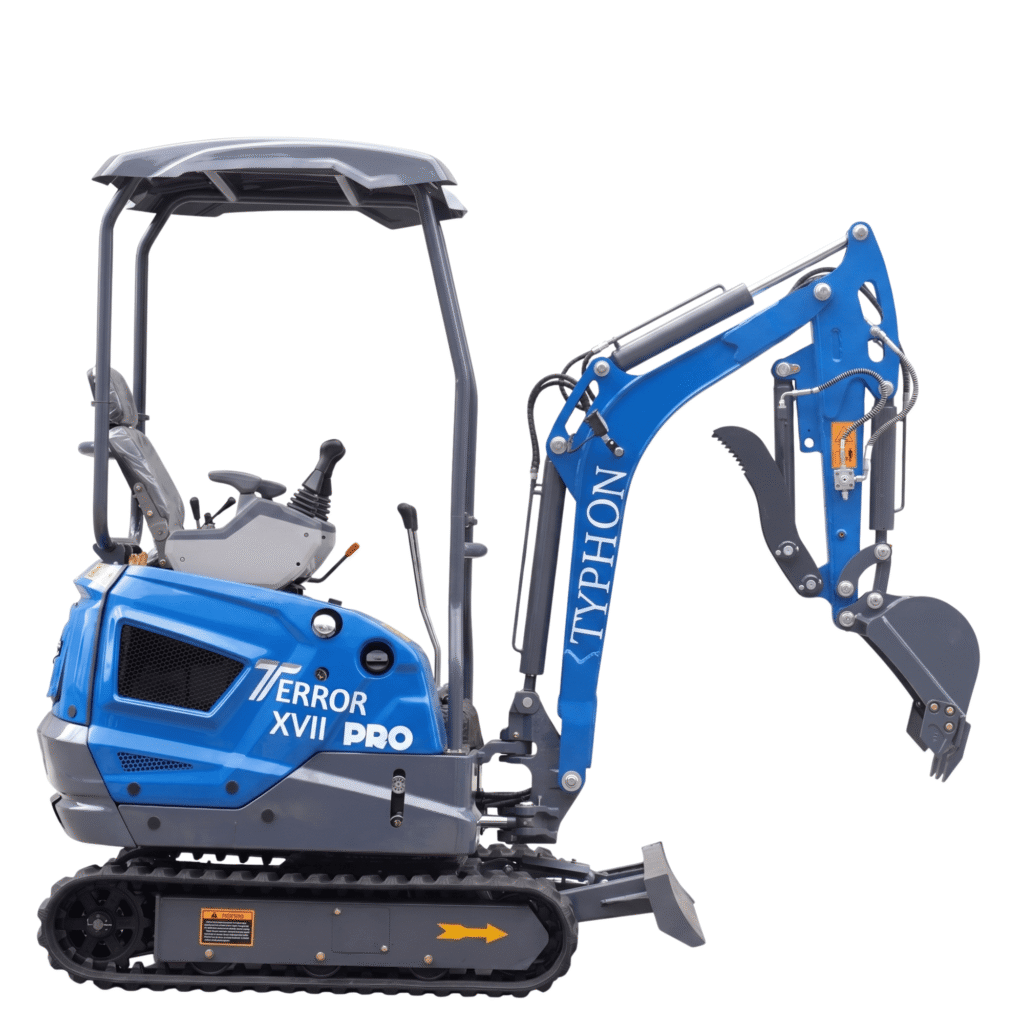
Mini excavator 1-2 ton. Stuck in the middle of the lineup. Not tiny. Not heavy. Most buyers walk right past. Their loss. Give it a season on real sites. Picture shifts fast. Trenches open. Footings cut. Drainage sorted. Small demo cleared. Material shifted. No fuss.
Machine is half the equation. Other half? Choices around it. Where cash flows. How jobs get picked. When it works. When it sits. Those calls decide profit or drain.
Six angles ahead. Some fit better than others. Grab what works.
Table of Contents
1. Used Beats New
New machines shine. Fresh paint. Zero hours. Full warranty. All that gloss costs $30,000 to $60,000 for a mini excavator 1-2 ton. Cash locked tight before the first scoop.
Look used instead. 1,500 to 3,000 hours? Barely warmed up. Compact diesels push 6,000 to 8,000 hours with simple care. Half the life remains. Half the price vanished.
Inspect hard. Undercarriage. Hydraulic lines. Cylinder seals. Service logs. When it passes, a used mini excavator 1-2 ton delivers years. Savings land in profit.
2. Rent First
Size unsure? Rent one. Place a mini excavator 1-2 ton on a live site. Watch tight work. Watch operators react. Watch clients respond.
Yards charge daily weekly monthly. One week costs a sliver of purchase price. That week answers plenty. Busy? Earning? Parked?
Rental income tops cost every time? Buy. Not close? Keep renting. A mini excavator 1-2 ton pays off only when busy. Test first. Zero regret.
3. Finance Smart
Cash feels safe. It also traps money meant for payroll supplies ads. Financing frees that cash while the machine earns. A mini excavator 1-2 ton financed 3 to 5 years often costs less monthly than it brings.
Shop hard. Dealer plans. Banks. Equipment lenders. Rates shift. Terms shift. Down payments shift. Three quotes minimum. Machine pays its own note.
Tax rules help. Section 179. Bonus depreciation. An accountant maps how a mini excavator 1-2 ton fits. Real cost drops.
4. Add Attachments
Bare machine digs. Attachments grow the list. Augers. Breakers. Grapples. Thumbs. Rippers. Grading buckets. Trenching buckets. Each adds a service. Each service adds cash.
The mini excavator 1-2 ton runs all through one coupler. Swap in minutes. No mechanic. No specialty tools. Footings morning. Concrete breaking afternoon. Pipe lifting next day. Same unit.
Clients pay for range. Trenching demo handling wins more bids than digging alone. The mini excavator 1-2 ton becomes a full package. More revenue. No extra machine.
5. Pick Profitable Work
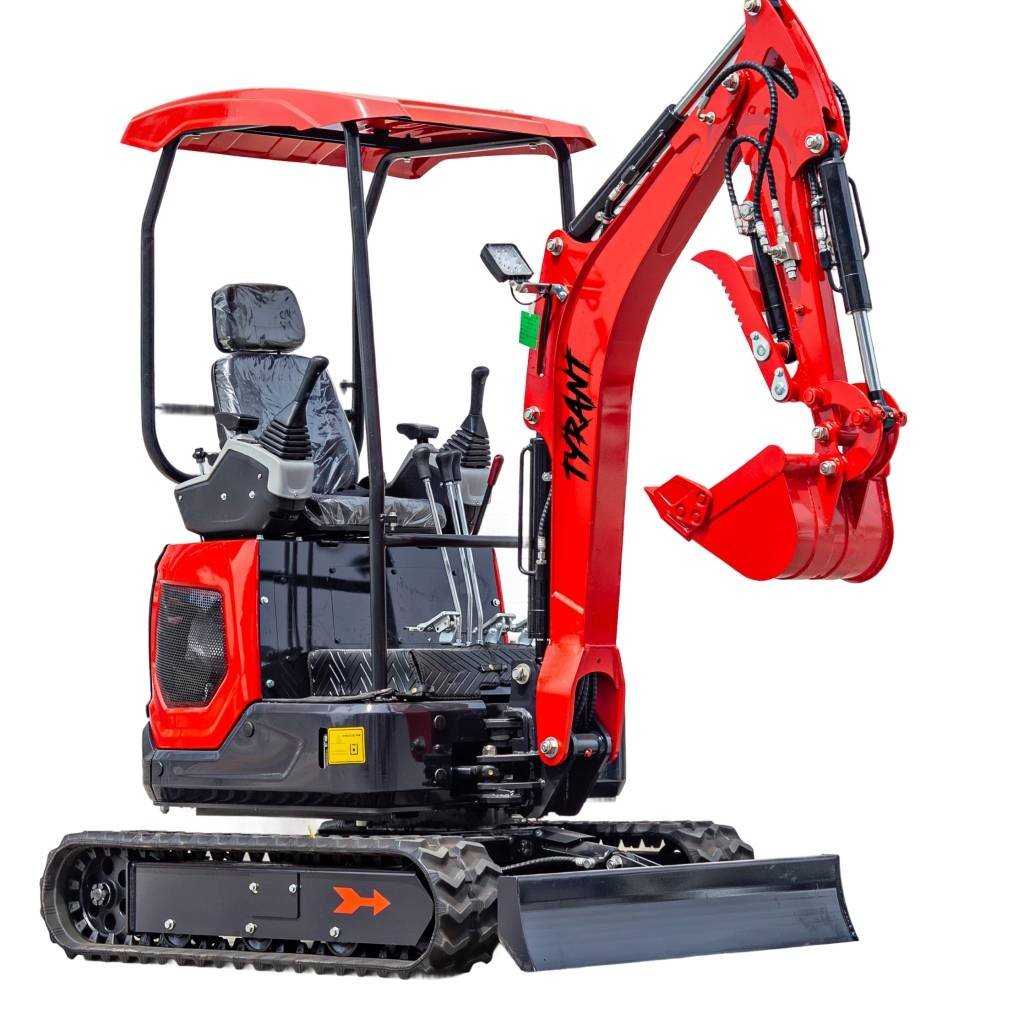
Some jobs barely pay. Others pay heavy. Right work beats hard work. A mini excavator 1-2 ton fits several rich niches.
Pool digs. Foundation trenches. Utility runs. Root removal. Drainage. Tight access demo. These need compact gear. Big machines can’t squeeze in. Hand labor burns time. The mini excavator 1-2 ton fills that gap. Premium rates follow.
Pick one or two lanes. Build a name. Price right. This machine moves from asset to profit engine. Focus wins.
6. Rent It Out
Every machine sits sometimes. Weekends. Slow seasons. Gaps between jobs. Downtime bleeds money. Depreciation. Insurance. Storage. Renting flips idle hours into income.
Platforms link owners with renters. Local contractors need short gear. Homeowners need weekend units. A mini excavator 1-2 ton rents $250 to $450 daily by region. A few rentals monthly cover ownership.
Screen renters. Deposits. Insurance. Clear damage terms. The mini excavator 1-2 ton earns even parked. Passive income lifts annual profit.
Maintenance Keeps Money in the Bank
Service stays simple. Daily checks. Engine oil. Hydraulic fluid. Track tension. Grease points. Most parts easy to reach. Common filter sizes everywhere.
Track wear predictable. Rubber tracks finished surfaces. Steel tracks rough ground. Replacement costs stay sane with regular service. Skip it? Repairs spike. Follow it? A mini excavator 1-2 ton runs years.
Check the manual for intervals. Grease each shift. Track tension weekly. Small habits. Long life. Lower maintenance. Higher profit.
Safety Protects the Bottom Line
Tight sites carry risk. Compact machines cut it. Rollover protection. Seat belts. Emergency shutoffs. Clear sightlines. Standard on quality models.
Low center of gravity. Planted on uneven ground. The mini excavator 1-2 ton holds slopes steady. Basic safety habits. Predictable control. Accidents drop.
Train every operator on the specific mini excavator 1-2 ton model. Emergency stop. Travel controls. Attachment lock. Practice on a short stretch. Fix slips early. Safety habits build fast. Fewer accidents. Lower insurance. Less downtime.
What to Compare Before Buying
Engine horsepower. Digging depth. Reach. Hydraulic flow. Those specs matter most. Rubber versus steel tracks depends on conditions. Cab layout affects comfort. Service access affects downtime.
Dealer support matters as much as the machine. Parts availability. Service response. How fast a mini excavator 1-2 ton returns after problems. Testing before purchase reveals real feel. Paper specs never tell the full story.
Check warranty. Check dealer location. Check parts stock. A mini excavator 1-2 ton backed by strong support stays productive for years. Weak support turns it into yard art.
Resale Value Holds Strong
Depreciation stings. Some machines lose half their value in three years. Others hold. Demand never fades.
Compact excavators fall in that second group. Landscapers want them. Plumbers want them. Electricians want them. General contractors want them. Used units sell fast. Strong prices. A mini excavator 1-2 ton bought today sells years later for a big chunk of original cost.
Resale strength reshapes ownership math. Depreciation predictable. Upgrades easier. The mini excavator 1-2 ton shields capital in ways many machines can’t.
Check resale listings. Check local demand. The mini excavator 1-2 ton holds value across most regions. That lowers true ownership cost.
Rental Fleets Love This Size
Rental businesses track what earns and what sits. Compact excavators stay booked. Weekend landscapers rent them. Small contractors rent them. Homeowners rent them for one-time projects. The mini excavator 1-2 ton fits every customer.
Small enough for beginners. Capable enough for real work. Long maintenance intervals. Rare breakdowns. Low fuel costs. Every factor points to profit. This machine earns its spot in any fleet.
New excavation businesses benefit too. Starting with a mini excavator 1-2 ton needs less capital than larger machines. Work covered spans most residential and light commercial projects. Growth happens naturally. Clients stack up.
Final Thoughts
This machine solves problems larger machines can’t touch. Tight spaces. Cheap transport. Low fuel burn. Many attachments. Strong resale. Simple maintenance. High safety. Six ways. One machine.
Contractors who see these advantages make smarter calls. Buy used. Rent first. Finance smart. Add attachments. Target niches. Rent it out. Every step adds profit without breaking the budget.
Check job site access. Check transport budget. Check fuel cost. Check attachment needs. Check resale market. The mini excavator 1-2 ton answers all five. Now check the next project. Match machine to job. Watch profit grow.